How can I do good with my used possessions?
Donations vs Landfill: Making Thoughtful Choices When Letting Go
One of the most meaningful parts of downsizing is deciding what happens to the things you no longer need. For many of our clients, donating to charity feels like the right next chapter for much-loved belongings. It’s a way of passing things on, helping others, and reducing waste.
But here’s something that often surprises people: not everything given to an op shop can actually be sold or reused. When that happens, items intended as donations can end up becoming a cost to the charity—and ultimately end up in landfill.
Let’s talk about how to donate well, so your generosity can actually make a positive difference.
The Key Question
When deciding whether to donate something, ask yourself: “Is this something I would happily give to a friend?”
Charities are looking for items that are:
- Clean (and nicely folded if it is linen or clothing)
- Safe
- Functional
- Fit for reuse
Why Quality Matters
Most of the charities we work with rely on selling donated goods to fund their work. Others actually give your items to families in need to set up home. When unusable items are donated, they don’t just disappear quietly—they create real costs like the charity having to pay for rubbish disposal.
Leaving items outside op shops is not the done thing. Exposure to weather can damage perfectly good items, and it can also create health and safety risks for volunteers. In many cases, those items end up going straight to landfill. We deliver your donated items personally, or organise for the charity to collect items which we show them first.
Items That Often Can’t Be Accepted
Even with the best intentions, some items simply aren’t suitable for donation due to safety, hygiene, or resale limitations.
These commonly include:
- Damaged or stained furniture, especially mattresses
- Electrical items like heaters or electric blankets (we take most electronics to an official e-waste recycling depot)
- Baby equipment (e.g. car seats, cots, pushchairs) that don’t meet current NZ safety standards
- Older technology such as analogue TVs, printers, and scanners (again, this is e-waste)
- Large or niche items like waterbeds, spas or outdated bed frames
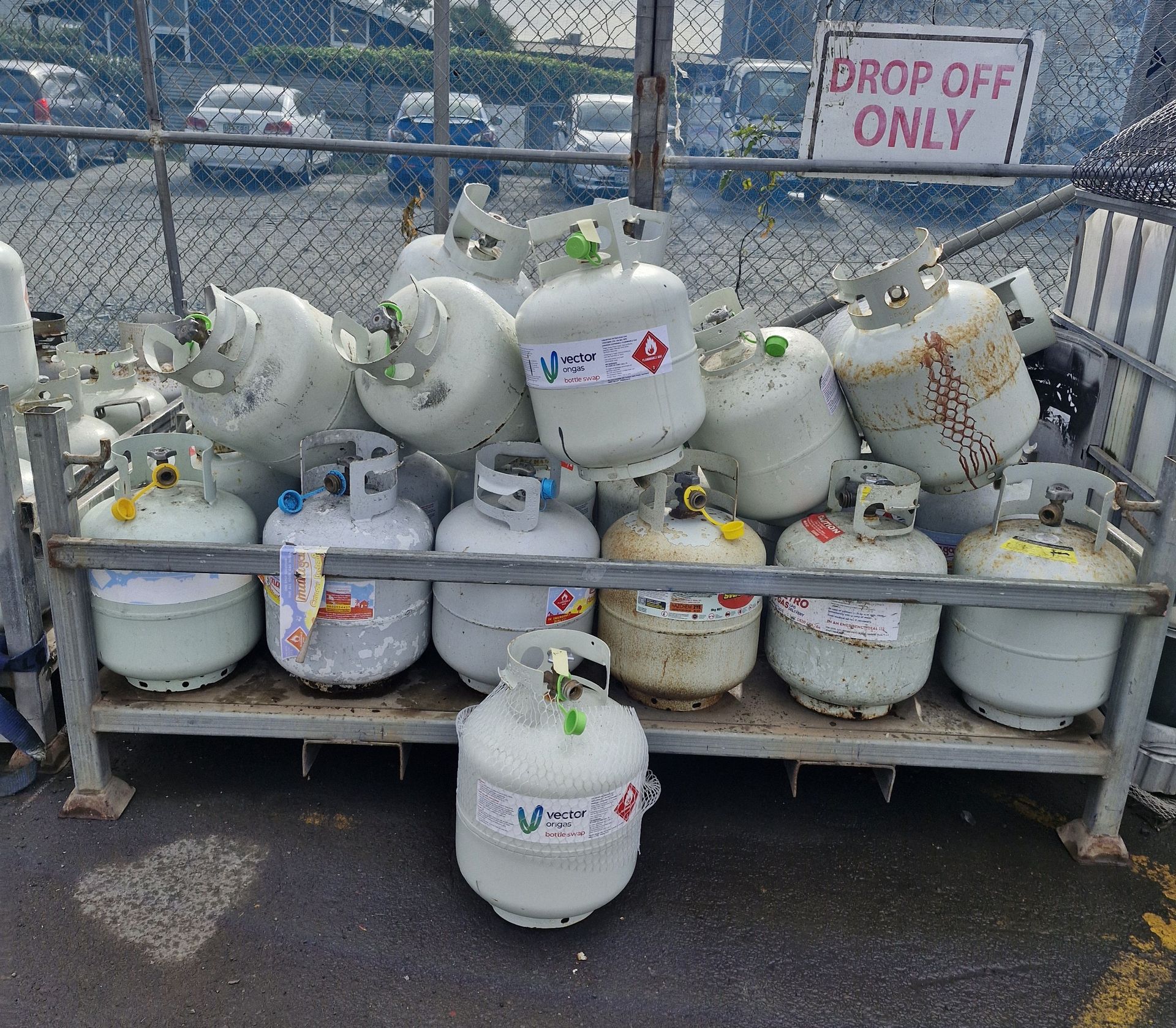
- Gas bottles or hazardous items
Some of these items require safety certification or testing that charities are not able to provide.
What Charities Do Love
There are plenty of items that are always in demand.
These include:
- Good quality clothing and shoes
- Kitchenware and homewares
- Books, puzzles and games
- Decorative items and art (as long as they’re not chipped or broken)
- Furniture in excellent condition
If it’s clean, complete, and ready for someone else to use immediately, it’s likely to be welcomed.
The Emotional Side of Letting Go
We understand that many of these items have been part of your life for years—sometimes decades. Donating can feel like a way of honouring that history, knowing your belongings will be appreciated by someone else.
That’s why it’s so important to donate thoughtfully. When an item is truly suitable, it has the chance to be enjoyed again. We help you make that choice.
How We Help
At Less is More, we guide you through these decisions with care and respect. We’ll help you:
- Sort items into donate, keep, gift, or dispose
- Identify what charities are likely to accept
- Ensure donations are clean, appropriate, and delivered correctly
- Find alternative solutions for items that can’t be donated
Our goal is to make the process feel manageable—and to ensure your generosity has the impact you intend.
A Thoughtful Goodbye
Downsizing isn’t just about clearing space—it’s about making mindful choices. Donating is a wonderful option when done well. It supports charities, helps others, and gives your belongings a second life.
And sometimes, the kindest choice—for both you and the charity—is recognising when something has simply reached the end of its useful life.
If you’d like support navigating this process, we’re here to help every step of the way.